News & Event
Alumni Interview
- HOME
- News & Event
- Alumni Interview
- Author
- 전기전자컴퓨터공학부
- Views
- 303
- Registraion Date
- 2025-12-09
 No file Attached
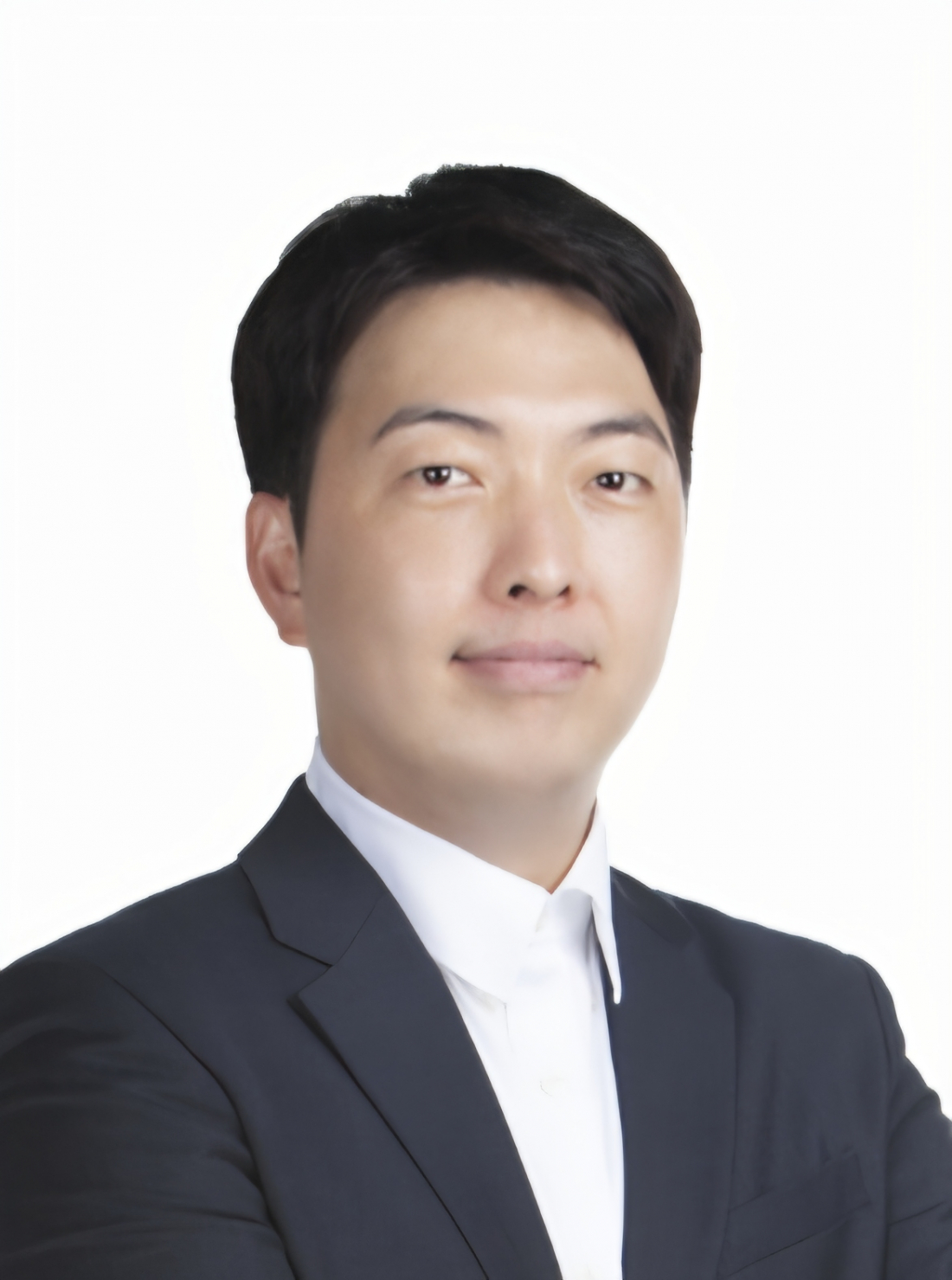
Dr. Junhyeong Park of KEPCO AI Research Institute – “True research begins when you understand the essence of AI.”
■ Please introduce yourself.
Hello. I’m Junhyeong Park, and I received my PhD from the Speech and Audio Signal Processing Laboratory (advisor: Prof. Jong-Won Shin) in the School of Electrical Engineering and Computer Science at GIST. I am currently responsible for developing data-analysis AI models at the KEPCO AI Research Institute.
In graduate school, I conducted research that combined statistical analysis, machine learning, and deep learning, mainly in the field of speech signal processing. I focused especially on areas such as Noise Suppression and Source Localization—fields that involve reading and interpreting patterns in time-series signals.
The research capabilities I built at GIST continue to greatly support me in establishing my expertise in the AI field today.
■ What kind of research did you mainly work on during graduate school?
I was particularly interested in precisely analyzing patterns in time-series–based speech signal processing. Because even small patterns and changes must be captured without missing anything, understanding the characteristics of signals is extremely important.
Since my current work also involves handling various kinds of time-series data generated by power facilities, my graduate-school research experience remains a valuable asset in my job.
■ You must have had several career options after graduation. Why did you choose KEPCO?
KEPCO is an organization with a vast amount of time-series data. Since speech signal processing, which I studied in graduate school, is also a field that analyzes time-series patterns, KEPCO was one of the places where I could best apply my expertise.
Pattern analysis of data generated from power facilities is a core element in AI-based diagnostic and predictive models, so I felt it was the optimal environment to make full use of my capabilities.
■ What changes and growth have you experienced during your six years at KEPCO?
When I first joined, I mainly worked on ultrasonic equipment-diagnosis research, which is similar to speech signal processing. But as time went on, I realized that KEPCO deals with not only speech and ultrasonic data but also much more diverse and complex time-series data.
Now, I participate in developing AI models needed across the entire organization, regardless of field, and my role has expanded significantly.
■ What are your current goals as a researcher?
1) Advanced Explainable AI (XAI)
AI models for enhancing the stability and intelligence of the power grid especially require trustworthiness and interpretability. To meet these demands, I aim to further strengthen XAI research.
2) Multimodal AI Research
Multimodal AI models, which integrate and interpret multiple types of data, are becoming increasingly important. I also hope to contribute to the development of such highly intelligent models. This includes research using large-scale LMM-based foundation models that have recently gained attention.
■ What significance does the recent national-level large-scale GPU investment have for the AI industry?
The adoption of hundreds of thousands of GPUs is a major opportunity for the nation. Rather than simply changing individual research environments, I see it as building infrastructure that elevates the competitiveness of the national AI ecosystem as a whole.
In times like this, I believe researchers should concentrate their capabilities in alignment with the direction of national policy. I consider it a kind of responsibility as a researcher.
■ What is the difference between someone who uses AI and someone who researches AI?
AI researchers need to deeply understand the characteristics and limitations of AI models and continually attempt creative improvements based on those limitations. This perspective requires a depth of thinking that differs from that of simple users.
■ What advantages did you feel at GIST?
I believe very few campuses offer research and learning environments as well-established as GIST. Campus infrastructure, faculty, financial support, research equipment—every aspect of the environment is truly world-class.
■ Looking back on your graduate-school days, do you have any regrets?
In the early stages of my master’s program, I lacked research experience and went through many trials and errors. If I could go back with the perspective I have now, I would likely choose better research topics and produce more papers.
However, I believe those trials and errors are precisely what enabled me to develop the expertise I have today.
■ Any advice for GIST juniors?
Research is important, but non-research aspects are also extremely important. Emotional stability, which helps you endure the stress of the research process, significantly improves research efficiency. My girlfriend at the time—now my wife—was a great source of strength for me.
I hope younger researchers will work hard in both research and relationships, maintain emotionally balanced lives, and grow into excellent engineers.

